
Beach Ultimate: The basics


What comes to mind first when you think of the coastline of Mombasa, Kenya? The ultimate frisbee competition of FEAST? Yes, me too! The Frisbee East Africa Sand Tournament is the perfect opportunity to play on renowned beaches but I know what's lying in wait: Sand sprinting. While beach ultimate is new to me, the research on sand and beach exercises is extensive. I have unpacked the demands and mechanics of beach ultimate and provided a brief summary of strength training and drills that may help from now to FEAST.
Running in sand is not just ‘harder running’. The soft surface changes the mechanics of the body, thereby altering its demands. On a hard surface (grassy frisbee field) the ground acts as a force director, propelling the body in an equal and opposite direction by using both Newton's 3rd law and a system in the body called stretch shortening cycle (SSC) response. This is where a contraction in one direction creates a strong rebounding effect in the other direction, like a spring in action. On sand, the ground shifts and the force is absorbed. This means the body loses its tendon rebounding effect, making the body work harder and expel almost 1.6 times more energy to achieve the same thing.

Running in sand requires 60% more energy and jumping is about 120% tougher on sand than on a hard surface. If only it ended here, but alongside the physical load, our internal load of our heart rate, aerobic and anaerobic effort and lactic production also increases. Our advantage is that we come from a high altitude which may negate some of this extra effort, the rest will be handled with well timed substitutions, good hydration, replenishing electrolytes, and appropriate fueling.
Sand may reduce impact due to its softer surface, but its instability increases demands on the foot and ankle, especially with fatigue. Because sand compresses and shifts, the foot can sink or slide on contact, reducing the spring-like force return seen on firm ground. This leads to slower speeds, shorter strides, and longer ground contact times. As a result, athletes rely more on concentric strength to generate movement and must work harder to maintain stability, decelerate, and change direction.
The good news is that this happens to everyone while playing on sand, which means the individual who has one great cut can lose a defender completely and gain an offensive advantage. We can focus on the propulsion muscles and stabilising muscles for the acceleration and cutting motions to gain these benefits.

Foot and ankle: contribute to controlling foot placement, managing sinkage, and generating propulsion on a shifting base.
Calf and achilles: Pushing work through the foot and ankle to propel forwards.
Knee extensors and hip extensors: Concentric work of the hip and knee propel the body forward and work as a power house to counter the absorption of force by the sand.
Trunk and lateral hip stabilizers: cutting and lateral movement on sand increases the demand to control pelvis/trunk over a foot that may drift on the unstable surface.
This puts the training emphasis on:
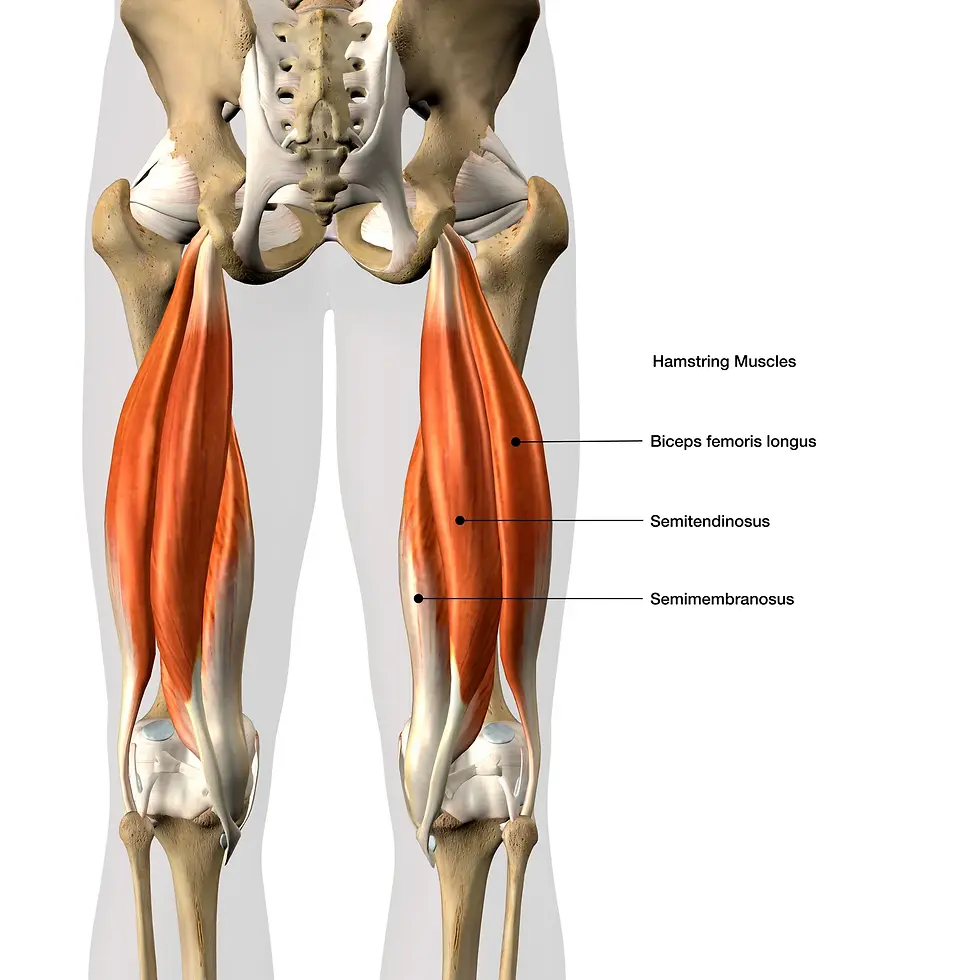
Gastrocnemius, soleus, tibialis anterior and posterior, peroneal muscles, intrinsic foot muscles, hamstrings, gluteus maximus, gluteus medius, rectus abdominus and external obliques.
Using these muscles in strength training and drills prep the body for the upcoming demands.
Explore our acceleration and propulsion exercises to learn how to sprint over the sand on on not through it.

Beach ultimate brings a new kind of challenge, and as a Joburger, there’s something special about taking your game to the sea. New surface, new challenge, same love for the game. See you on the beach!
-Ally Smith

Comments